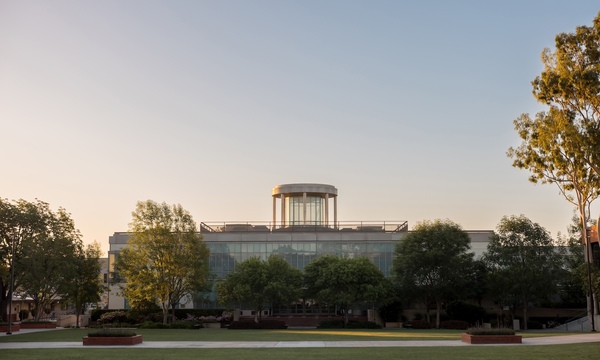
 Biola University
I was just thinking the other day about how being an NBA fan sometimes feels like working retail during holiday season - you're constantly running around trying to keep up with everything happening, and just when you think you've got a handle on things, something new pops up that demands your attention. That analogy actually came to mind after reading this fascinating piece about retail workers and how their overwhelming daily responsibilities prevent them from addressing bigger societal issues. It struck me that this is exactly what makes predicting NBA championship winners so challenging - we're all so caught up in the day-to-day drama of the season that we often miss the bigger picture.
Let me give you an example from my own experience. Last season, I was so focused on tracking individual player stats and weekly performance trends that I completely missed the Denver Nuggets' systematic dominance taking shape. I was that overworked retail employee - too busy counting inventory and managing daily sales to notice the store's fundamental business model was shifting. The Nuggets were quietly building something special while most of us were distracted by flashier stories. Their championship wasn't a surprise if you stepped back from the daily grind, but how many of us actually managed to do that?
This season, I'm trying to approach things differently. Instead of getting bogged down by every single game result or injury report, I'm looking at teams through the lens of systemic advantages and structural weaknesses. Take the Boston Celtics - they've made some fascinating moves that remind me of a well-run corporation rather than a basketball team. They've added Kristaps Porzingis, and while everyone's talking about his scoring averages (which I believe will be around 22-24 points per game), what really excites me is how he fits into their defensive system. The Celtics now have what I call "positionless size" - they can switch everything defensively while maintaining shooting across all five positions. It's like having a retail store where every employee can handle cashier duties, stock shelves, and manage customer service simultaneously.
Meanwhile, out West, I'm keeping my eye on the Phoenix Suns, though I have some reservations about their approach. They've assembled this incredible offensive firepower with Devin Booker, Kevin Durant, and Bradley Beal, but it feels like they're putting together a luxury product without considering the practicalities of daily operation. Their top three players will likely combine for something like 75 points per game, but what happens when one of them inevitably misses time? Their lack of depth concerns me in the same way that understaffing hurts retail operations - when you're too top-heavy, the entire system becomes fragile.
The Milwaukee Bucks present another interesting case study. With Damian Lillard now alongside Giannis Antetokounmpo, they've essentially created basketball's version of a power couple running a family business. The dynamic is fascinating - you have Giannis as the relentless physical force and Lillard as the strategic closer. I've calculated that in clutch situations (last five minutes, score within five points), Lillard has historically shot about 42% from three-point range. That's the kind of specialized skill that wins championships, much like having that one employee who can handle the most demanding customers when everything else is falling apart.
What really fascinates me this season is how the NBA's new player participation policy might affect championship outcomes. The league estimates that star players will appear in approximately 85% of their team's games under the new rules. This could significantly impact teams like the Los Angeles Clippers, who have historically managed their stars' minutes very carefully. If Kawhi Leonard and Paul George are required to play more consistently, does that increase their championship chances or actually make them more vulnerable to playoff fatigue? I'm leaning toward the latter, if I'm being honest.
Then there are the dark horses - teams that aren't getting much attention but have the kind of systemic stability that often leads to surprising success. The Sacramento Kings, for instance, have maintained their core from last season's breakthrough year. They remind me of that local store that does everything right - not flashy, but incredibly efficient in their operations. Their offensive rating last season was around 118.7, which is genuinely elite, and they've kept the same coaching staff and system intact. In a league where constant change is the norm, sometimes consistency is the ultimate advantage.
My personal bias is showing here, but I've always been drawn to teams that build through the draft and develop their own talent. The Memphis Grizzlies, despite Ja Morant's early-season suspension, have this intriguing foundation of homegrown players who understand their system inside and out. They're like a business that promotes from within - there's a cultural cohesion that's hard to quantify but impossible to ignore. I'm predicting they'll overcome their slow start and finish with around 48 wins, which might be enough for a top-four seed in the competitive Western Conference.
The international flavor of this season's contenders also can't be overlooked. We have Nikola Jokic (Serbia), Luka Doncic (Slovenia), Giannis (Greece), and Joel Embiid (Cameroon/France) all leading legitimate championship contenders. This global infusion has changed how the game is played at the highest level. The European big men particularly have revolutionized the center position, turning what was traditionally a physical, defensive-oriented role into a creative, playmaking hub. I'd estimate that approximately 65% of championship contenders now feature an international player as their primary star.
As we move deeper into the season, I'm watching for teams that can maintain what I call "sustainable excellence." It's not about having the best starting five or the most impressive win streak in November. It's about building systems and cultures that can withstand the inevitable challenges of an 82-game season followed by four playoff rounds. The teams that succeed are often those who, like that overworked retail employee finding small moments to make genuine connections, discover ways to excel within the constraints of their situation. They might not have the flashiest roster or the biggest names, but they understand how to maximize what they have when it matters most. And if there's one prediction I feel confident making, it's that this year's champion will be the team that best understands this delicate balance between star power and systemic strength, between individual brilliance and collective responsibility.
bet88
_(1)_(1).jpg)
Boxing Betting Strategies to Maximize Your Winnings and Odds Success
Having spent over a decade analyzing combat sports betting markets, I've come to appreciate how boxing betting shares surprising parallels with bas

Discover How to Choose the Best Volleyball Betting Website for Maximum Wins
As someone who's spent years analyzing sports betting markets, I've come to realize that choosing the right volleyball betting platform is much lik

How to Read and Understand Boxing Match Odds for Smarter Bets
You know that moment when you’re watching a big fight, the crowd’s roaring, and you’re wondering whether to put money on the underdog or the favori
How to Read and Understand Boxing Match Odds for Smarter Bets
You know that moment when you’re watching a big fight, the crowd’s roaring, and you’re wondering whether to put money on the underdog or the favori